
Prayer as Worship
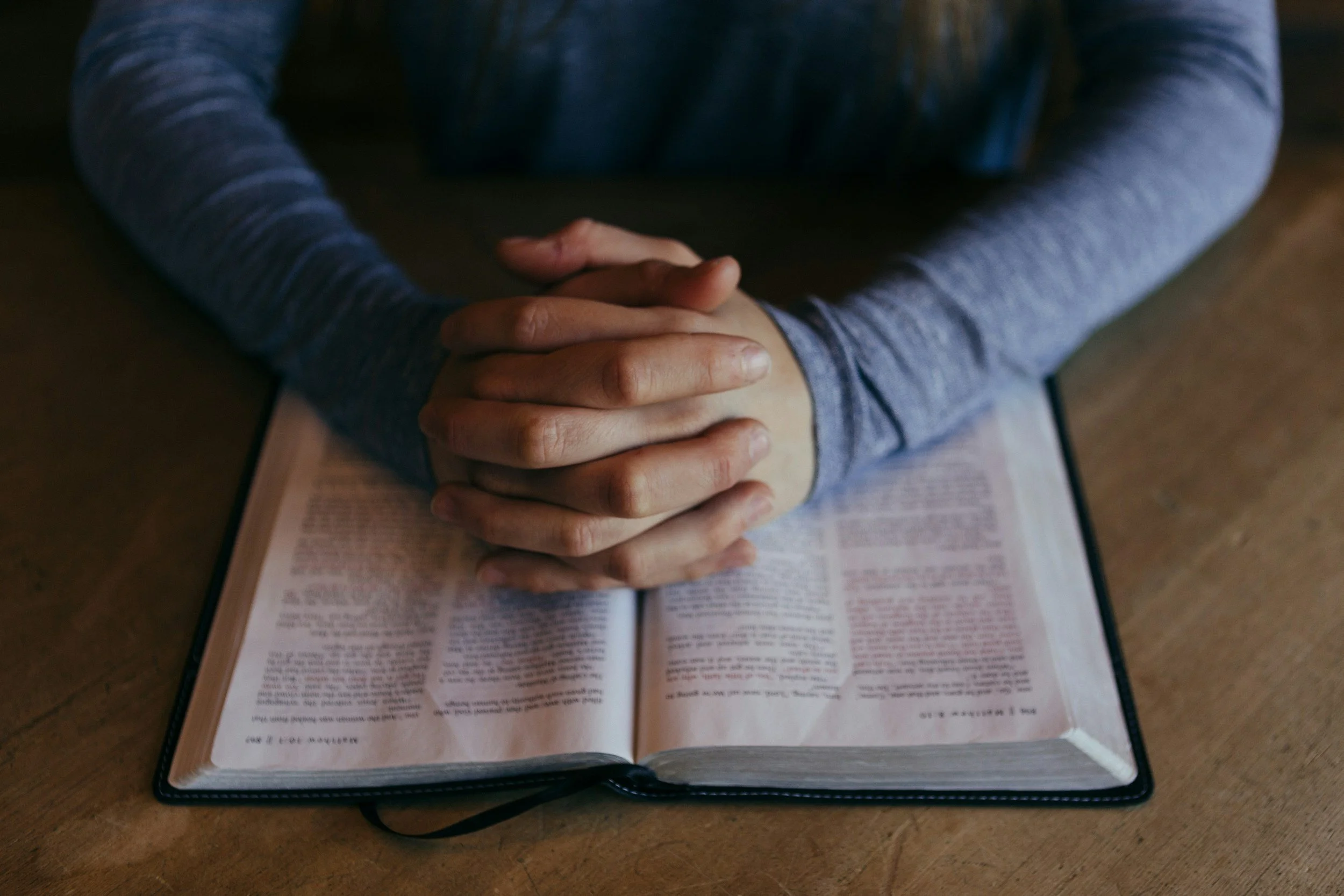
Man with folded hands over Bible
Thus far in our series, there has been a lot of talk about Who worship is for (God), and how that is directed (God's Word). We've seen the Word visualized in the sacraments, and declared in the sermon. In other words, we've covered in depth the things that are declared to you. We have to have these as our starting points. We have to know what has been said to us before we can respond. And that is what we are going to talk about today, how do we as a congregation, as worshipers, properly respond to God's Word and work. We will be looking at this in three parts by covering the last three elements of our worship: praying, singing, and giving.
Now, as before, each of these elements themselves are ordered by the Word of God and find their content in the word of God. So how does that work for praying? Does that mean that we are only allowed to follow scripted, word for word prayers from the Bible? While that in itself would be a lot to pray through, that isn't what we are told to do, nor is what we see in the Bible itself. Scriptural figures didn't only pray Psalms, but they lifted up their requests to God. As we see in our text, we are to pray about everything. Yet the Scriptures can guide what those prayers can look like, and in those times where we just don't know what to pray, we have a deep well to draw from in the Bible.
God Calls Us To Pray
But before we get too deep, let's begin simply: What is prayer? Most often people say something like "talking with God." That's not wrong, it's just really understated. It would be like describing winning the mega millions lottery as "getting some spending money." That's not wrong, but it doesn't really capture the difference that suddenly receiving tens of millions of dollars would make.
Yes, prayer is talking with God, but it is so much more. One theologian, BB Warfield thought of prayer as the purest expression of religion. What does he mean by that? He means that prayer is admitting that I am dependent on the One I am making requests to. I'm not speaking to an equal. I am speaking to a Sovereign, my Sovereign, my King of the universe. Praying about something admits that I cannot deal with it on my own, so I bring it up to Someone Who can. Further, praying with joy and assurance admits that I think that God is good. And even if He doesn't answer the way that I want Him to that He is still good.
That is what it means to pray. It is admitting that God is God, I am not, but also this God is good and cares about my needs and will meet them in His good timing.
That's what we see in Philippians 4:6. Notice that it isn't taking some "just give up" view of the world. It could have said, "Be anxious for nothing, because there is nothing that you can do about it anyway. Give up and go with the flow." It doesn't say that! It says, "Don't worry because you have a God who cares and is capable! Talk to Him about it." That should humble us and comfort us.
So that is prayer and why we should do it, but what does prayer look like? Do we have any guidance on that? Oh, yes God has given us plenty of guidance on that. Depending on who you ask, you can find different categories of prayer. One pastor, Terry Johnson, lists six types of prayer: praise (Psalm 103), confession (Psalm 51), thanksgiving (Philippians 4:6), intercession (1 Timothy 2:1), illumination (Ephesians 1:18), and benediction (Paul's Letters). To his list, I'd add one more: Lament.
Now, there is a lot of overlap in these categories, and rarely is a single prayer only one of those things. The point of breaking each of these things out is one because that is what we see Scripture doing, but also so we can see all the ways that we relate to God. You may notice that we pray just about all of these categories each week, and I say "we" for a particular reason. My job on Sunday isn't just to preach the word, but also lead in prayer. I am to give an example of what these prayers look like such that you are able to pray along with me, even if that is a simple, "Yes, God, that is my heart, too."
We begin with praise, which for us happens right after the call to worship. It is titled for us the "prayer of invocation." This is naming Who God is, how He is worthy of praise, then a request for His help in worshiping Him.
This type of prayer reminds us that God is creator and we are creatures. We aren't swaggering into worship as if God should be grateful and relieved that we are here. We are reminded that we are grateful and relieved to be here. This is the King of the Universe, the one Who upholds it by His hand as well as Our Father Who sacrificed His Son on the cross so that we could join the family. This is what this opening prayer is supposed to be, a reminder of whom we are coming in to worship. A great example of this sort of prayer is in Psalm 103.
Our next one is a prayer of confession. Having been reminded of the majesty of God, we can't help but see ourselves in contrast. That is what our time of confession is for. It's not just getting something off your chest, but admitting that you need Christ. We never get to a point of perfection. There is always a need to bring our sins to God and let Him take the burden off of you.
This is done in two ways here. We do this in general out loud to each other as a way of confessing our sins to each other, as James 5 calls us to. We all admit that at some level we all are guilty of these things in general. But then we have a time of silent confession where we take the time to admit our own sins before God. That's what I'm doing up here, too. The point isn't to try to remember every bad thing you did that week, but a chance to confess your sins and hear that you are still forgiven. God doesn't just forgive sins in general, but He forgives your sins, *that* sin. Prayers of confession remind us that we are debtors of grace.
Thanksgiving is next. It is different from praise in that praise talks about Who God is whether I exist or not. God is still full of mercy whether I'm here or not. But God healing me of my sickness is something that only happens if I'm here. So thanksgiving is me joyfully reacting to God's working in my life specifically. You can see some examples of this in Psalms 59 and 138. This prayer helps me remember that God has been good to me specifically.
Intercession is our praying for other people. This is a privilege to pray for other people. While God controls all things, He has promised to work through the prayers of His people (Ex. 32:11-14). Praying for the sick and hurting does something. It reminds us that we are not in a singular relationship with God, but we are part of a group that cares and loves one another.
Next, illumination. This prayer is a request for wisdom to learn God's Word. John 16:13 tells us "When the Spirit of truth comes, he will guide you into all the truth, for he will not speak on his own authority, but whatever he hears he will speak, and he will declare to you the things that are to come." When we pray for God's help, we are praying that which He told us He would send. We cannot stand over this Word and figure it all out on our own. We need divine help.
Next lament. This is something that is a part of our pastoral prayer where we are allowed to bring our griefs before God. We live in a fallen world, and God knows that. He knows our weakness (Psalm 103:14), and we are allowed to bring that to Him. He is not only interested to hear from us when things are going well (though we should do that), but He is willing to be there for us in our sadness. Nearly a third of the Psalms are Psalms of lament, grief, so human sadness isn't foreign to the Bible.