
Christian Feasting
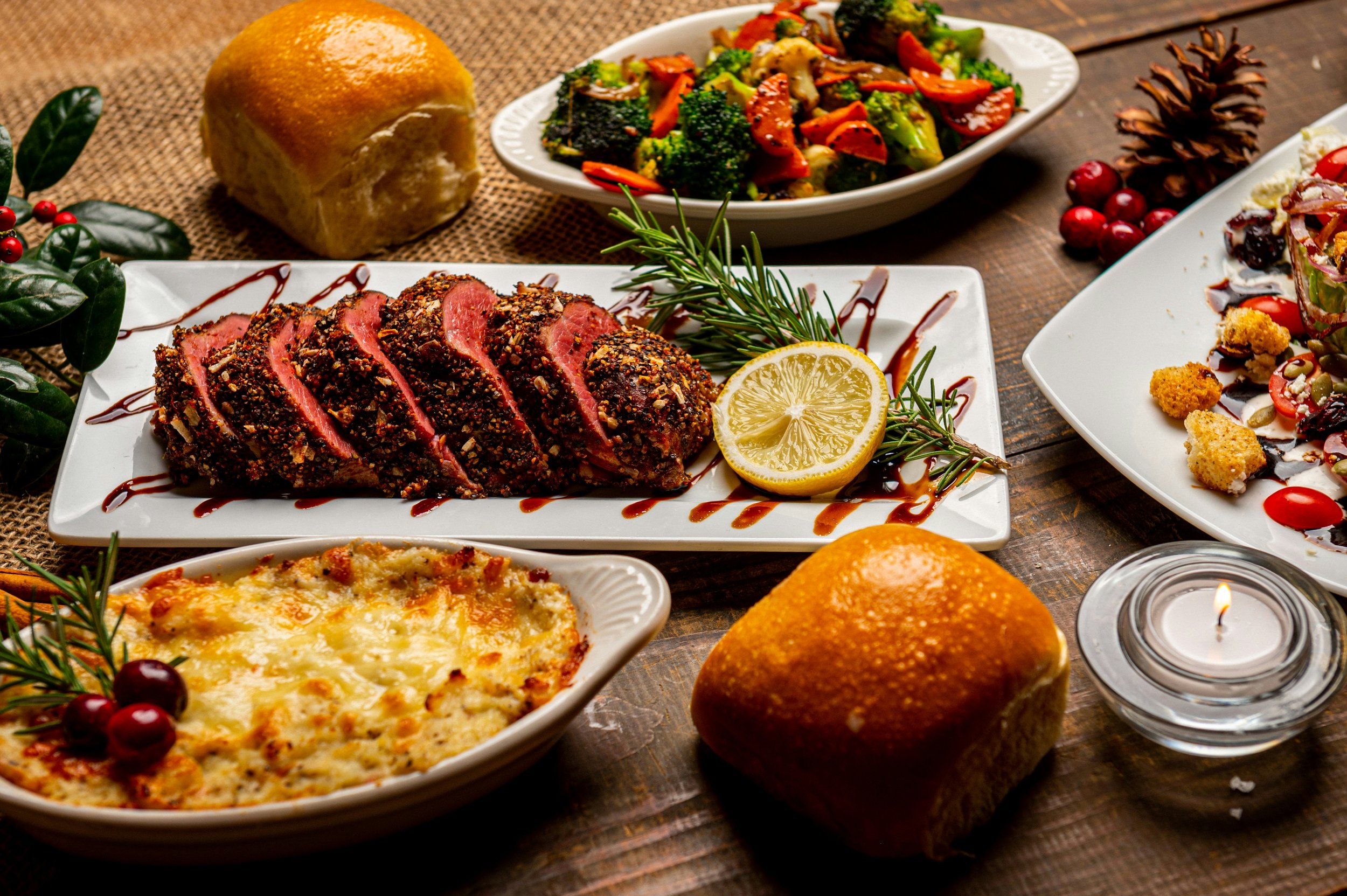
Image of feasting
The more modern the world gets, the more relevant passages like this are. I know it doesn’t seem that way at first reading, but if you follow along with me, I think you will see that this is a very interesting passage with a critical concept for us to grasp. That concept is regular times of celebration before the Lord.
One of the challenges of modern life is a loss of the sense of time. I don’t mean we are all so busy now, I mean that we live as if we aren’t as bound to it anymore. Let me give an example. When our phones could get email, a little over 15 years ago, suddenly we could be working anywhere, anytime. The idea of “office hours” vanished and suddenly all of life could look the same. Any day could became Monday just in the time it takes for your phone to chime. This is just an extension of what has happened in the last 50 or so years when a lot of people’s work stopped being dependent on what time of the year it is. Farming is very dependent on the month of the year. Email works the same whether it is June or January, so many have lost the connection to the natural rhythms of the world.
I came across a quote from Dr. Ross, my old Hebrew teacher, that sums up what I’m hoping to preach about today: “Only when worshippers begin to see how creation and redemption inform their use of time will they fully appreciate what it means to enter into the Lord’s rest and enjoy fellowship with the holy God, and with one another in Christ.” (Recalling the Hope of Glory, 240). Let’s unpack that.
In this section of Scripture, and in other places in the Old Testament, we see feasts or celebrations to God that correspond to certain seasons of the year, the creation. They were times that called for everyone to stop and remember the past, recognize the present, and rejoice for the future. Each one is filled with meaning not only when it comes to what is happening in the world, but even more so what is happening in redemption.
Embrace the opportunity to celebrate, knowing that you always have reason to do so.
Let’s do a little setup here, with a lot of thanks to Dr. Ross. The Jewish people had two kinds of calendars, one that was civil, and the other that was religious. The Civil New Year actually started in the Fall, while the religious one started in the spring. The religious calendar starts with Passover, whereas the Civil one starts on the Feast of Trumpets. It’ll make more sense as we go.
The first one is the Passover. This is the one that we are the most familiar with, and it was actually three celebrations in one! The Passover was a single night in which the Jewish families would reenact the night that God delivered them from Egypt. They would eat the same meal their ancestors did, in the same way that they did, and would explain to the children as they went how God cared for them in the past.
Right after that one was the feast of Unleavened Bread, which sounds fun until you realize how good yeast makes things taste. When you are used to full on bread, suddenly crackers for a week doesn’t sound all that appetizing. But after that was the feast of the first fruits, in other words a celebration of the first of the crops coming in, and as you can see here, a grain offering. You can imagine the joy that would be around as suddenly everyone can have bread again (see v 14) and the rejoicing that would have taken place having a successful harvest.
Fifty days after that, everyone celebrates again with bread (made from the grain that just came in earlier) and with generosity to the poor.
Having just rehearsed their exodus from Egypt and the fulfillment of God’s promise to bring them to a land on their own must have been so satisfying. This is where that reference that Ross made to creation and redemption fits so well here. They are not just having some recognition that the crops came in. It is that, but the meaning of the crops coming in is so much more in the moment. The only reason they have crops in this land in particular is because God brought them there. They aren’t just lucky people, they are a blessed people. God didn’t have to passover judgment on them. He judged the Egyptians but not them.
There must have also been a sense of humbling here. Why should they be given such a gift? Why should they have this exclusive relationship with God in such a way? Notice also how along with this, there is an opportunity to be like God in providing for the poor. They didn’t harvest their wheat fields all the way to the edge or harvest what they may have dropped along the way, sucking up every last bit of profit. Instead, they left it there for the poor. From a legal sense, the poor aren’t owed that. Looking at things just from a creation standpoint, what you own is yours. But from a redemption standpoint, that field isn’t just a field. It is an opportunity to love your neighbor.
Now that is the first third of the year. They would have had another harvest feast in the summer, but this passage mentions the back half of the year, think September/October timeframe. They followed a lunar calendar which gives flexibility to some dates. This began with a blast of the trumpet, signaling the start of a new year. And everyone would rest.
Ten days after that would have been an extremely holy day. All of them were required to be days of rest, but this one is so serious about rest. God promises to destroy people who don’t rest there in verse 30. This was the day of atonement, a time where the high priest would enter into the Holy of Holies, the most sacred part of the temple/tabernacle where the presence of God was uniquely occupied. He would only go in here on this day of the year and had to be properly prepared to go inside lest he die on the spot. They actually used to tie a rope around the priest’s ankle just in case he did it wrong and was struck down. There would have been no other way to retrieve the body. All of this was done to ensure that the sins of the nation were covered. Of course, this would be something that would have to be repeated every year. Until of course, an ultimate sacrifice was given.
Five days after that was the feast of booths, or tents. This would have been a time where you would have lived in tents for a week outside your houses to reenact the history of your ancestors wandering in the dessert. It would have been a time of great feasting and celebration and no work at all.
But do you notice something here? Why did the ancestors live in tents for forty years? Does it take that long to walk from Egypt to Israel? No. It was because they rebelled against God. They were sinners. And having just had the sacrifice offered for the nation for this year’s sins, there wasn’t a whole lot of fingerpointing back to the previous generations. They all had just recognized their own sinfulness.
Yet they could rejoice because forgiveness was given to them. So while they were remembering the past, they could recognize the present. They could see the goodness of God to them. And even if it had been a hard year, they could rejoice in how they as a people had been brought to this point.
Now imagine what level of celebration that these feasts took on when they would hear from the prophets of a coming age of Messiah. The firstfruits weren’t just a glimpse into the harvest that they would eat in a few weeks, but in the age of Messiah, the food and wine would flow freely; there would be abundance more than could be imagined! Ross points out how often the terms harvest would be used to describe the judgment of God where His people would be gathered up and placed in the barn safely, but the wicked would be burned with fire. What must that have been like as they anticipated the day their oppressors would be cast off from them.
Then think with the New Testament writers as Paul compares Jesus to the passover lamb. The blood on the doorposts was pointing to the blood on the cross. Judgment passing over! And it would pass over forever! The day of Atonement would have to be done year after year, yet Christ provides the ultimate sacrifice! And when He rises again, what does Paul liken it to? The firstfruits of the resurrection! Fifty days after the Passover was the feast of weeks when they brought the bread the grain harvested before made, and fifty days after Christ’s resurrection, the Holy Spirit descends and brings the results of Christ’s rising, the birth of the Church!
Do you think this is the time now to stop celebrating? Christians have so much to celebrate around our tables. We have everything in the Jewish history to celebrate and everything in the New Testament to celebrate! Even if 2025 hasn’t been your year, and I know for many of you it hasn’t, Christ is still on the throne. He’s still brought you this far. Look how much He has taken you through, look how much He has brought our people, a people of every nation, tribe, color, and tongue—His people—through. This is why we don’t just look to creation to find our cues to celebrate. We look through the lens of redemption and what He is doing in it.
Ross opened his chapter by pointing out that God made time and intends for us to use it well. He put us in it, not to mention entering it Himself, to do His work. And He has set aside times to remind us that He rules all time. This is why in addition to these festivals, there were monthly times of rest (the New Moon Festivals), weekly times of rest (the Sabbaths), and twice daily times of worship (morning and evening sacrifices).
How are you using your Thanksgiving time? I love a Turkey-infused nap in front of the Dallas Cowboys losing as much as anyone. But are you taking some time to reflect not just on what God has done for you, but for the world in the sacrifice of His Son? What God will do in the end when all things are made new?
I know we are presbyterians, but we should be the rowdiest bunch of people at a feast. We have so much to celebrate. We have been chosen not for anything good that we have done and are on our way to a blissful eternity feasting before the Creator, Savior, and Sustainer of the world!
And if you say, “Look, I understand where you are coming from here, but have you seen the News? Aren’t you worried about the [insert current discourse/issue here]? Is this really the time to celebrate?” I say, yes. And do you know why? Because those people trying to knock over God’s table are going to lose. If you would like a slightly more aggressive Christian attitude to feasting, our celebration tells the world to take its best shot. God is going to dominate so hard He will go ahead and prepare a table in the very presence of our enemies. Eat in front of them.
And then invite them to sit down. People are worried about young folks, particularly young men, who are so discouraged with the system that they just want to burn it down because they got locked out of it. Feasting is a better alternative. They got locked out of an American dream that for those who managed to get in tell us doesn’t make them happy anyway. Tell them not to burn down that which never really existed. Don’t find people to blame. Instead, sit down. God has this. Our people have been here before, and where we are going will be glorious.
Maybe that will make the turkey taste a little better.